Abodu Site Prep & Utilities: The Orange County Owner’s Guide
Site prep and utility work for an Abodu ADU in Orange County typically runs between $18,000 and $45,000 installed, depending on your lot’s slope, soil condition, and how far your gas, electric, and sewer lines need to run from the street or main house. We stock and install the site-side components Abodu units depend on, and we can usually have a crew on your property within a few days of your call. Most owners discover something’s wrong when the Abodu delivery team flags a foundation elevation issue, a trench depth problem, or a utility stub-out that doesn’t match the unit’s connection points, but plenty of people call us earlier because they can see pooling water, a sinking pad edge, or a sewer line that’s backed up into the old garage.
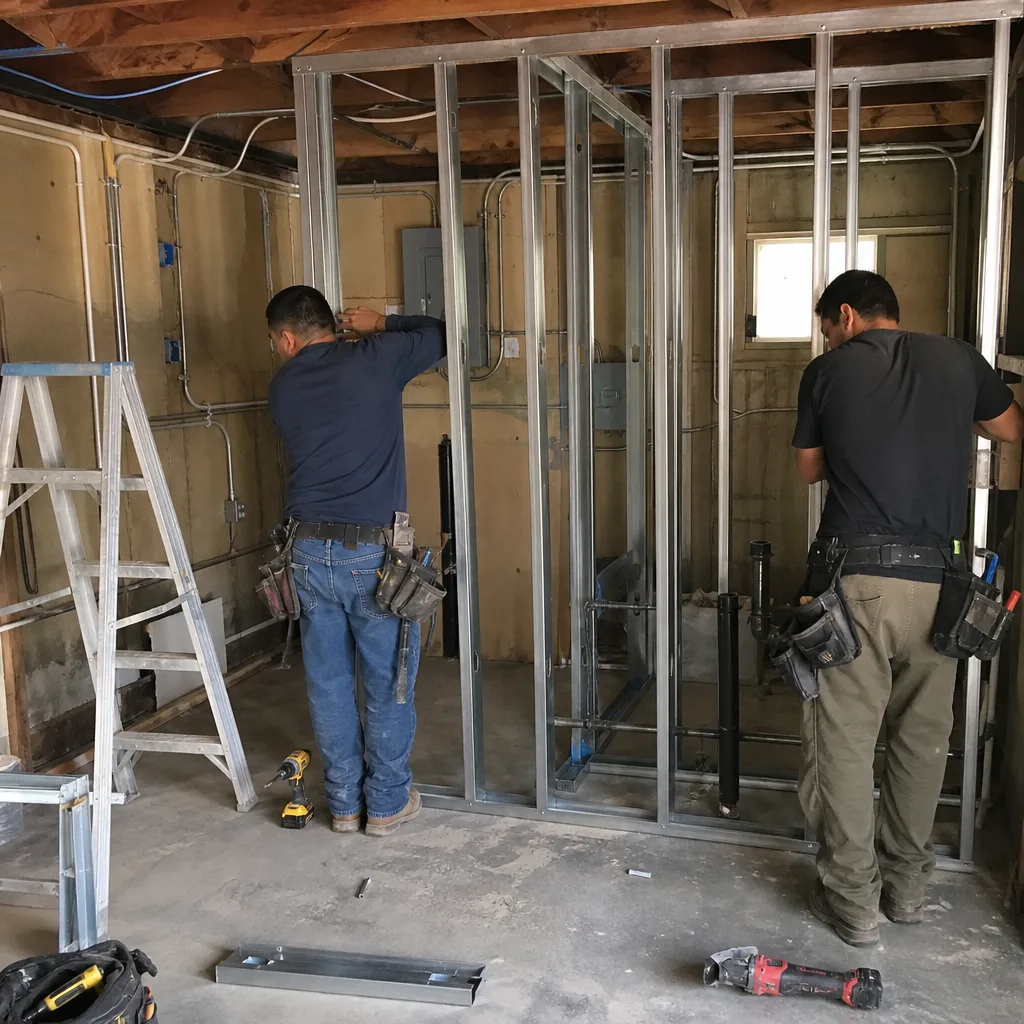
If you already have an Abodu unit on site and something’s failing, or if you’ve got a delivery date coming and the site isn’t ready, this page tells you what’s involved, what it costs, and what we’ve learned doing this work across Orange County since 2010. Lodgewick ADU Orange County is an independent service provider, not affiliated with Abodu. We fix and prepare sites for their units because homeowners keep calling us when the schedule’s tight and the utilities don’t line up.
Which Abodu Models This Applies To
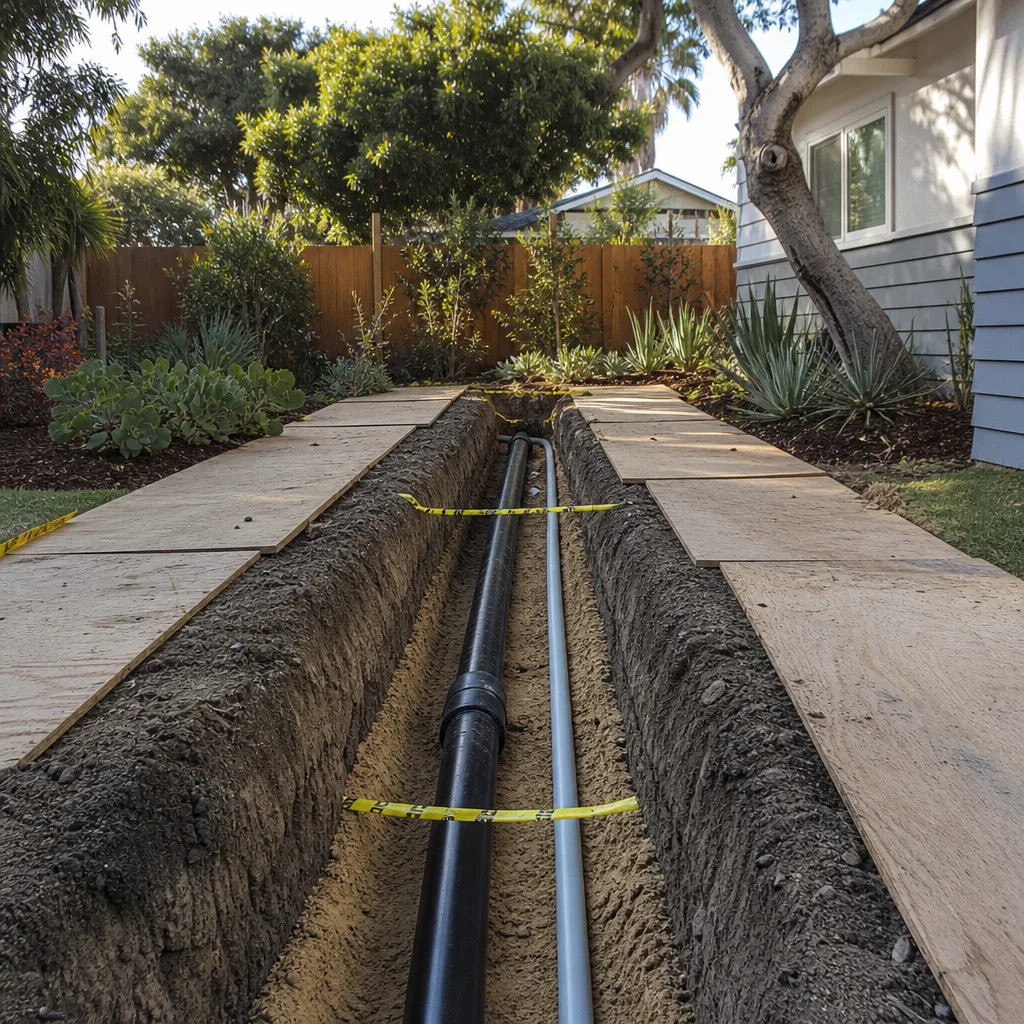
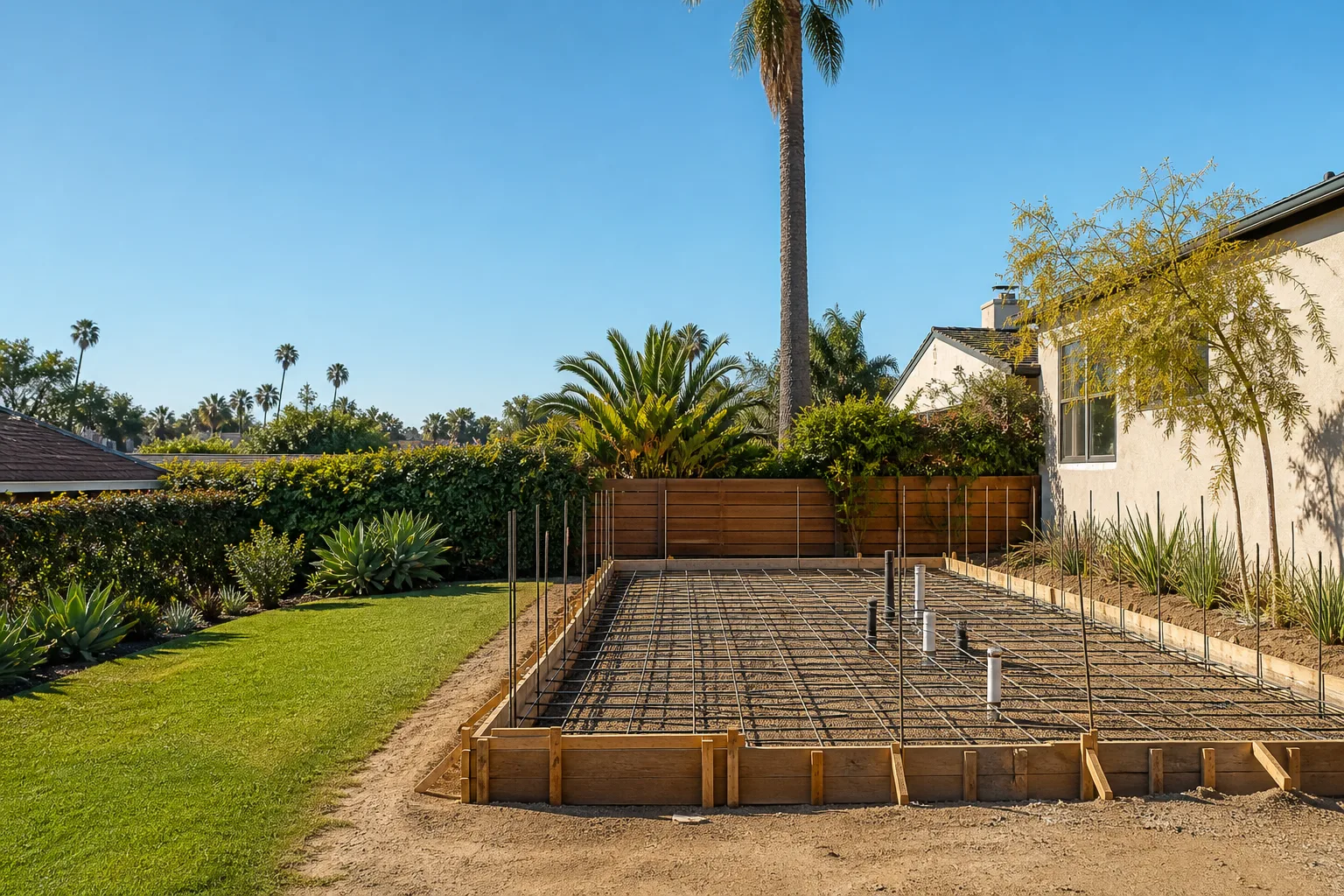
Abodu builds several unit lines, and the site prep requirements shift a little with each one. The studio models, usually in the 340 to 500 square foot range, often arrive on a trailer as a complete module and need a fairly level pad, a 100-amp electrical stub, and sewer and water connections stubbed at specific depths and setback distances. The larger two-bedroom units can weigh twice as much, which means the pad spec changes: deeper compacted base, sometimes helical piers if your Orange County soil runs expansive, and utility trenching that has to meet city-specific cover depths.
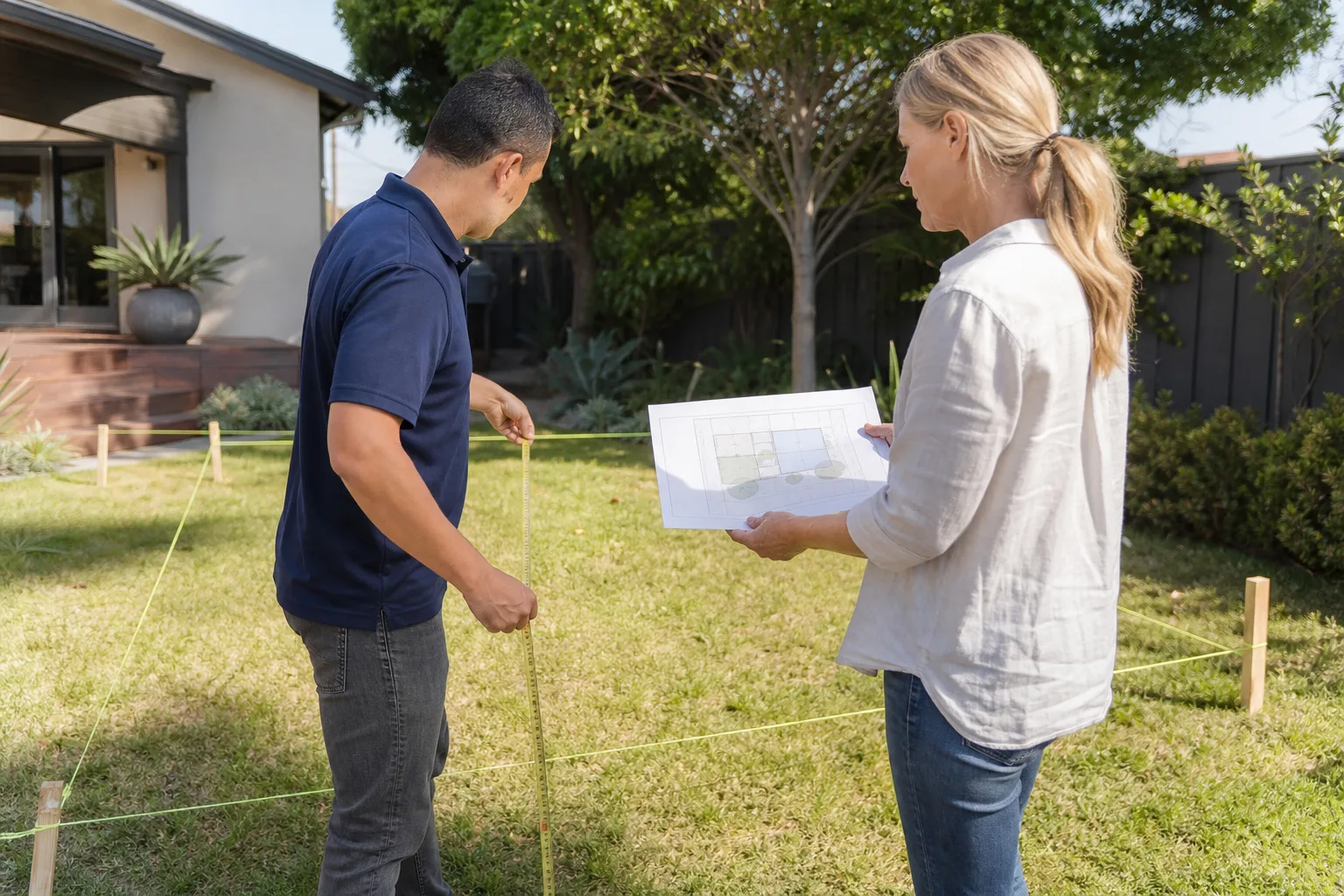
The gotcha we run into most often is the utility stub location. Abodu provides a site utility plan with exact coordinates for where sewer, water, and power need to surface. When a general contractor wings it and the stubs are off by even six inches, the factory won’t sign off on the connection, and the delivery crews will leave without dropping the unit. We keep a copy of the current Abodu site requirements on hand for every job, and we verify stub locations against the actual survey before concrete goes down. For aftermarket components like trench drains, cleanouts, and meter pedestals, we stock quality equivalents that meet or exceed the OEM spec, since lead times on factory-supplied site components run long when Abodu’s production queue is full.
Signs Your Abodu Site Prep & Utilities Is Failing
- Water pooling against the pad or foundation edge. This usually means the pad’s drainage slope has settled or the original trench backfill wasn’t compacted. In Orange County’s winter rain bursts, that water migrates under the unit and into your sewer or electrical trench.
- Sewer backups or slow drains in the ADU. When a trench wasn’t bedded correctly, the pipe can belly or separate at a joint. Tree roots find those gaps fast, especially with the mature ficus and sycamore roots common in older Orange County neighborhoods.
- Electrical flicker or tripped breakers in the ADU. Undersized feeder wire or a corroded junction at the stub-out causes this. It gets worse in summer when air conditioning pulls a full load through a connection that’s already compromised.
- Pad cracking wider than a pencil line, with one edge visibly lower. Expansive clay soil in parts of Orange County swells with winter moisture and shrinks in summer heat. A pad that wasn’t engineered for that movement will telegraph it straight up through the Abodu’s floor.
- Gas odor near the meter or the ADU’s gas stub. This is the one to act on immediately. Call your utility to shut off the line, then call us. A shifted pad can torque a gas line until a fitting starts to leak.
Replacement Cost & What’s Included
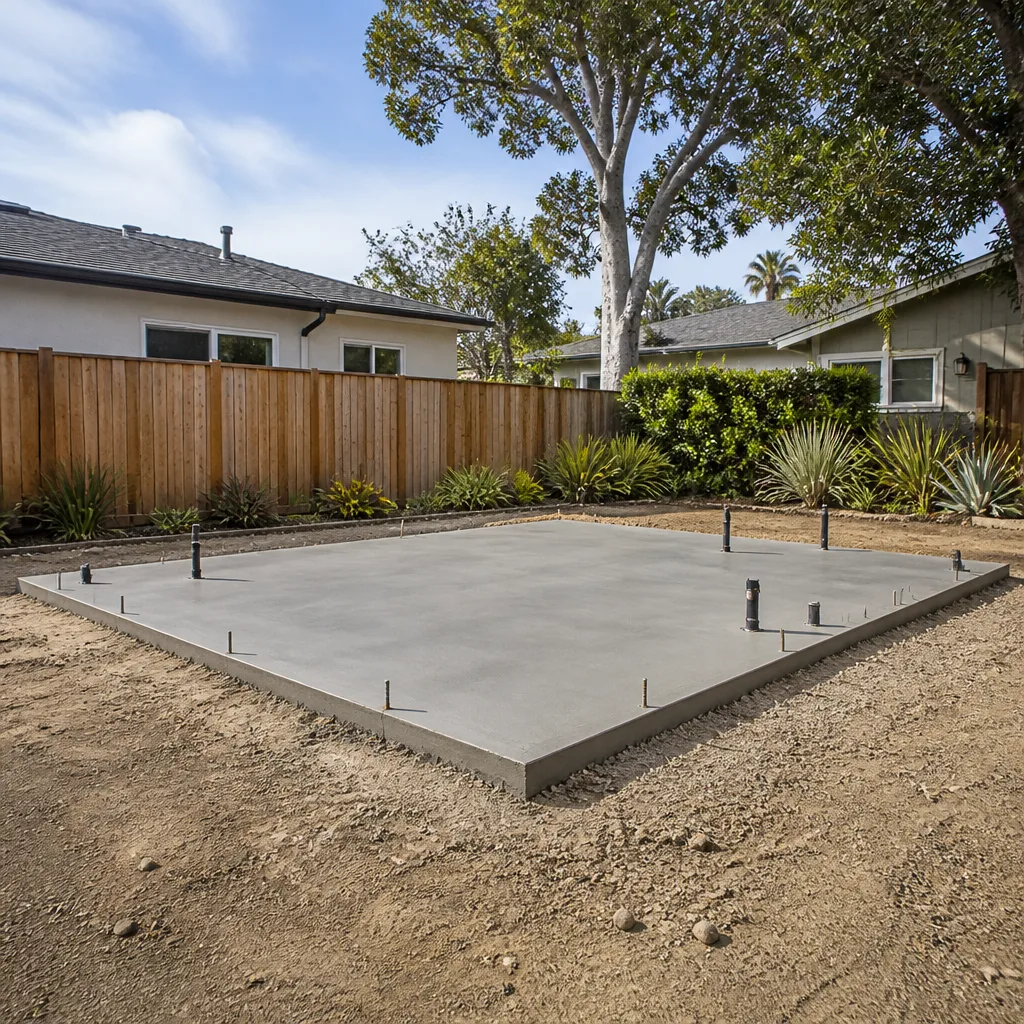
Here’s the honest math on what a site prep and utilities package costs in Orange County, based on jobs we’ve actually priced and built:
| Scope of Work | Typical Orange County Range |
|---|---|
| Full site evaluation, survey, and utility locate | $800 – $1,500 |
| Grading and pad preparation (flat lot) | $6,000 – $12,000 |
| Grading and pad preparation (sloped lot, retaining or piers) | $14,000 – $28,000 |
| Utility trenching and connections, electrical, water, sewer, gas | $8,000 – $18,000 depending on run length and city requirements |
| Permits, fees, and inspections | $2,500 – $6,000 depending on the city |
The spread comes down to three things. First, how far utilities need to run. A unit placed in the backyard behind a deep Anaheim Hills lot can need 100 feet of trenching, and trenching costs real money. Second, soil. Clay that expands means a deeper structural base or piers. Third, which city you’re in. Some Orange County cities have quick turnaround and reasonable fees. A few have plan-check queues and inspection requirements that add weeks and cost. Every quote we give is written, line-item, and fixed before we start. The price on paper is the price, no change orders slipped in at the end. That’s the Kingswell Guarantee.
DIY or Call Us?
You can handle a few things yourself with a weekend and a good set of eyes: walk the site after rain and mark where water sits, verify your property line and setback distances against your survey, and call DigAlert to get utilities marked before anyone digs. Those steps save time and money no matter who does the work.
Actual site prep is different. Moving significant earth, compacting a structural base, and trenching to code depth means understanding grading drainage, pipe bedding, and local cover requirements. A homeowner with a rented excavator and an afternoon of confidence is how we get calls about pad edges that settled three inches in one wet season. The utilities portion involves gas lines and electrical feeds, and both of those carry real risk when handled wrong. A gas line nicked in a trench is a life-safety issue, not a learning opportunity. If any part of your Abodu site is failing, or if the units arriving and the site isn’t ready, call us at (350) 203-6060 and we’ll give you a straight assessment.
FAQs

A properly engineered pad with correct drainage should last the life of the ADU itself. In Orange County, the failures we see are almost always from corners cut on the first pass, not from parts wearing out. The Kingswell Guarantee covers our site work for 365 days, meaning if something shifts or fails within that year, we come back and make it right at no charge. Beyond that, a well-built pad and properly bedded utility lines should give you decades.
Sometimes. A pad edge with minor settlement can often be stabilized with compaction grouting or a perimeter pier. A sewer line with a bad joint can be spot-repaired. But when the base wasn’t compacted at all, or the utility trench was backfilled with loose dirt and rocks, patching it means you’ll chase the same problem every wet season. We’ll tell you honestly which situation you’re in before we touch anything.
From first shovel to final inspection, most Orange County jobs run three to six weeks. Permits are the biggest variable, since some cities here turn plan checks around in days and some take a month or more. Trenching, pad work, and connections are usually done within two weeks once permits are in hand, and we walk you through the schedule in writing before we start.
For the common site-side parts like meter pedestals, trench drains, cleanouts, water and sewer stub components, and electrical disconnect boxes, we keep inventory in our Orange County shop and can be on site quickly once the quote’s approved. For anything Abodu requires factory-supplied, we coordinate the order so it arrives before the crew needs it. We also work with Cover and Dvele units, so if you’re comparing prefab builders we can price site work for any of them.
If you’ve got an Abodu unit on the way and a site that’s not ready, or one already installed and something’s not right, call (350) 203-6060. We’ll walk the property, tell you what you’re actually dealing with, and hand you a written price before any work starts. Tell me what you need the space to do, and we’ll figure out the honest way to get there.
Written by Russ Delmar, Owner, Lodgewick ADU Orange County at Lodgewick ADU Orange County, serving Orange County and nearby areas.