James Hardie Garage Conversion ADU: The Orange County Owner’s Guide
Replacing the siding, trim, or fiber-cement panels on a James Hardie garage conversion ADU in Orange County typically runs between $8,400 and $14,200 installed, depending on square footage, access, and whether we’re matching existing HardiePlank lap siding or HardiePanel vertical sheets. We stock the most common James Hardie profiles on our trucks and can usually complete a full garage conversion ADU siding replacement within five to seven working days. Most Orange County homeowners discover the problem the same way: a corner piece of trim has swollen, lap siding has started separating at the bottom edge, or a vertical HardiePanel has developed a hairline crack near the garage door opening where movement stress concentrates.
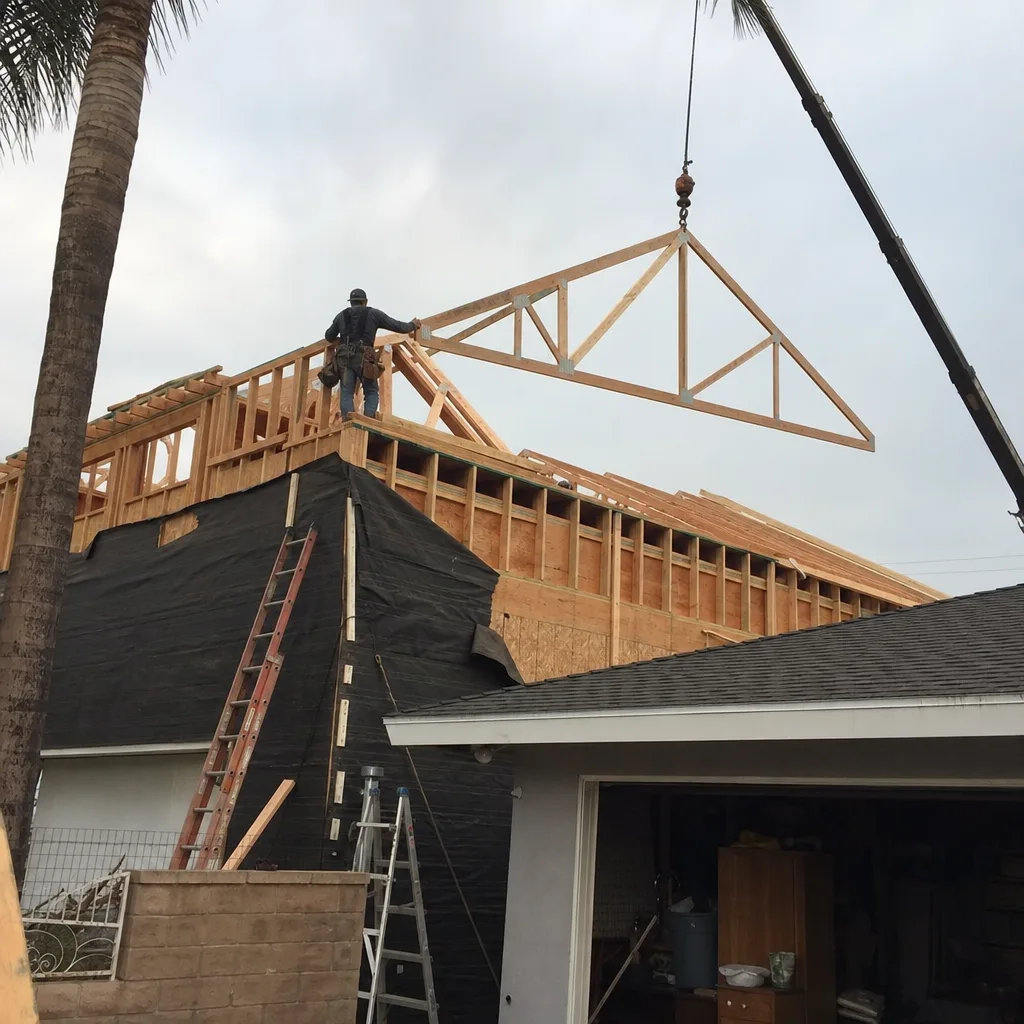
Lodgewick ADU Orange County is an independent ADU builder and installer. We’re not affiliated with James Hardie, but we work with their products every week on garage conversions across Orange County, from Fullerton down to San Clemente.
Which James Hardie Models This Applies To
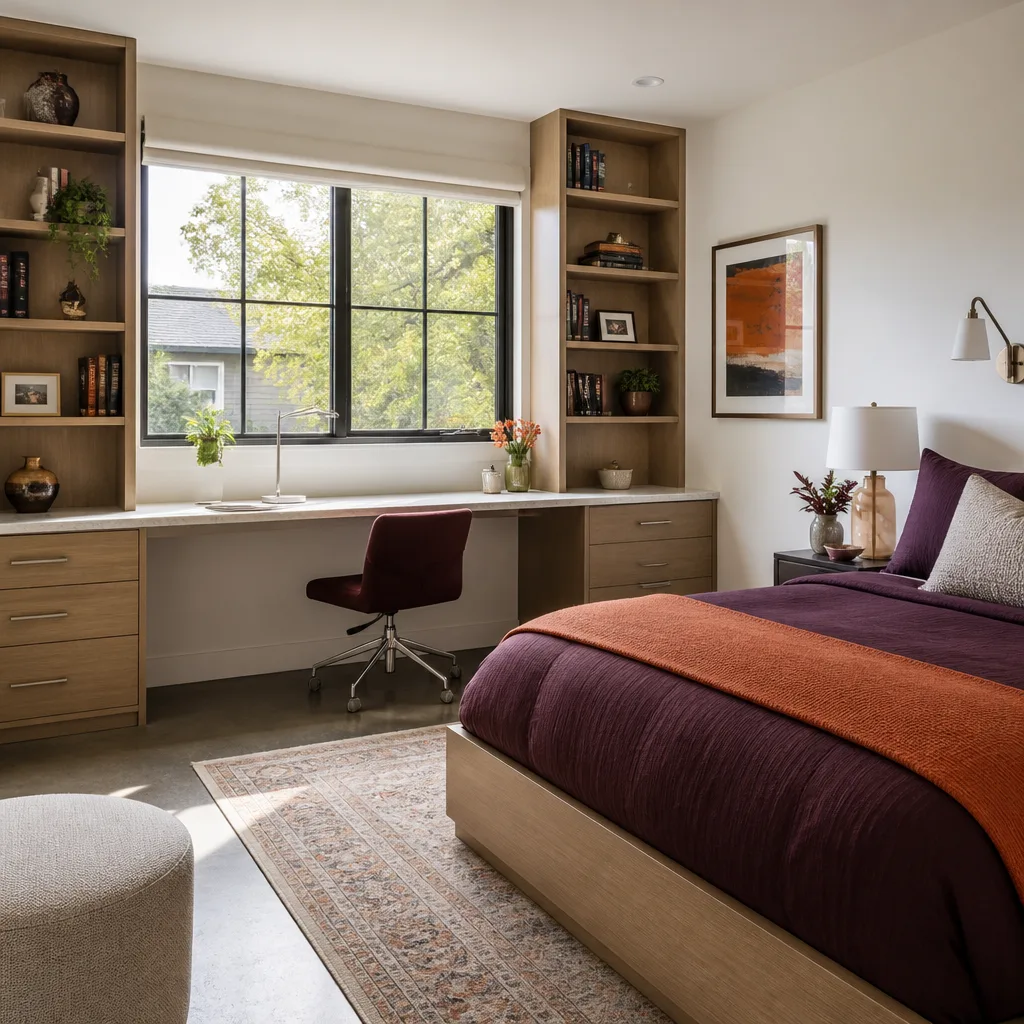
Most garage conversion ADUs in Orange County use one of three James Hardie product lines: HardiePlank lap siding (the horizontal boards, typically 5/4″ exposure or 6-1/4″ exposure), HardiePanel vertical siding (4×8 or 4×10 sheets, often with a stucco or smooth finish), and HardieTrim boards (5/4″ and 4/4″ thicknesses used at corners, windows, and the garage door opening). The compatibility gotcha we see regularly: HardiePanel from a big-box store is a different texture than the HardiePanel James Hardie supplies through pro dealers in Orange County. If you order the retail version to patch a pro-installed wall, the grain won’t match and you’ll see the patch from the street.
To identify what you have, look for the James Hardie product code printed on the back of any removed piece, or measure the reveal on lap siding. For Orange County garage conversions built between 2010 and 2018, it’s almost always 6-1/4″ HardiePlank in ColorPlus finish. After 2018, we started seeing more HardiePanel vertical applications because ADU designers liked the cleaner look against modern garage doors. The OEM vs. aftermarket decision matters less for James Hardie than for other materials: the cement board itself has no real aftermarket equivalent worth buying, but the trim corners and flashing details are where we use quality aftermarket aluminum from local Orange County suppliers, which actually holds up better at the garage door jamb than the factory trim in coastal salt air.
Signs Your James Hardie Garage Conversion ADU Is Failing
- Swelling or crumbling at the bottom edge of lap siding. This comes from water wicking up from ground contact or from a sprinkler pattern that hits the wall. In Orange County, we see this most often on garage conversions where a raised foundation pushes the bottom course too close to a sloped driveway, so runoff splashes the siding every time it rains.
- Hairline cracks radiating from the corners of the garage door opening. Fiber cement doesn’t flex. When the garage door framing moves through daily open-and-close cycles, the panel at the corners takes the stress and eventually cracks along the fastener line.
- Gaps opening at trim joints, especially at the top of HardieTrim corners. Caulk fails before the board fails. Once the gap opens, water gets behind the trim and starts the slow rot on the underlying framing, even though the James Hardie itself won’t rot.
- Fastener pops or visible nail heads pushing through the paint. This tells us the sheathing behind the fiber cement is absorbing moisture and shifting. The new garage conversion ADU is insulated and conditioned, so the moisture usually comes from the outside, not from inside.
- Color fading that’s uneven across one wall. James Hardie ColorPlus finish fades, but it fades evenly. If you see one side of the garage conversion ADU looking chalky while the other side still has depth, that panel was likely replaced at some point with a retail-board mismatch, and a previous owner already patched around it.
Replacement Cost & What’s Included
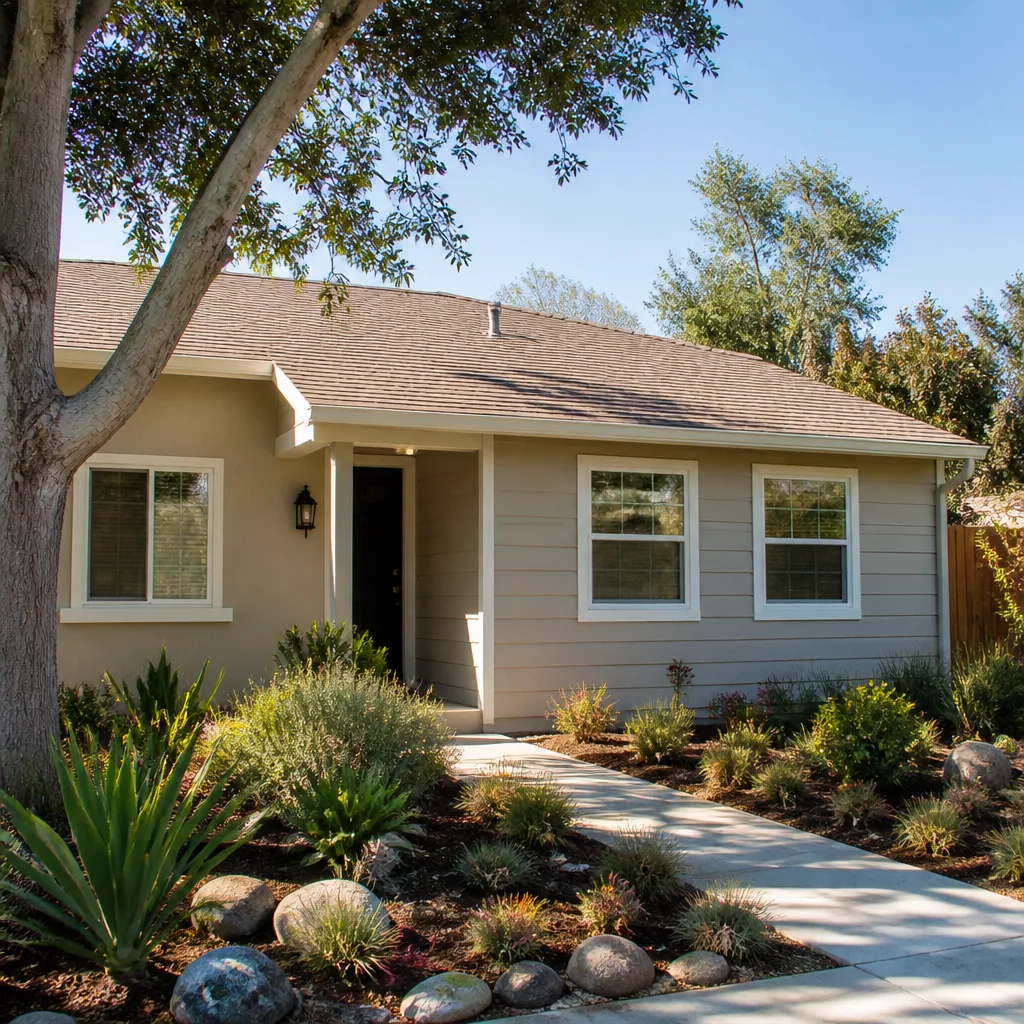
For a typical single-car garage conversion ADU in Orange County with roughly 400 to 500 square feet of exterior wall, a full James Hardie siding and trim replacement runs $8,400 to $11,000. A two-car garage conversion with a taller gable and more HardiePanel runs $10,500 to $14,200. What drives the range in Orange County specifically: access around the back of the garage (many older Fullerton and Santa Ana lots have near-zero side access, so all material moves through the house or over the roof), whether the existing ColorPlus finish can be matched or we need to paint the whole wall for a uniform look, and how much of the underlying framing needs to be repaired once we open the wall.
Every quote includes the James Hardie material, all trim and flashing, disposal of the old siding, and the written guarantee. You get the full price in writing before we start, and if anything about the existing wall needs more work, Russ Delmar walks you through the numbers before a single board comes off.
DIY or Call Us?
You can safely inspect your James Hardie garage conversion ADU yourself: run a hose along the bottom edge to check for splash-back, look for cracks at the garage door corners from a ladder (not from the ground, you’ll miss them), and feel along the bottom course for soft spots. What we don’t recommend doing yourself is pulling off a cracked panel. Fiber cement is heavy, the dust contains silica, and a garage conversion ADU wall has electrical, insulation, and possibly moisture barrier details behind it that you can mess up in an afternoon and not notice for two winters. That’s not gatekeeping. It’s just what we see when homeowners in Orange County try to save a few hundred dollars and end up paying us more to fix the wall behind the siding.
If the damage is limited to one panel and you’re comfortable with the dust and the weight, it’s doable with the right blade and respirator. If it’s a corner or the garage door jamb, call us at (350) 203-6060 and let us put eyes on it.
FAQs
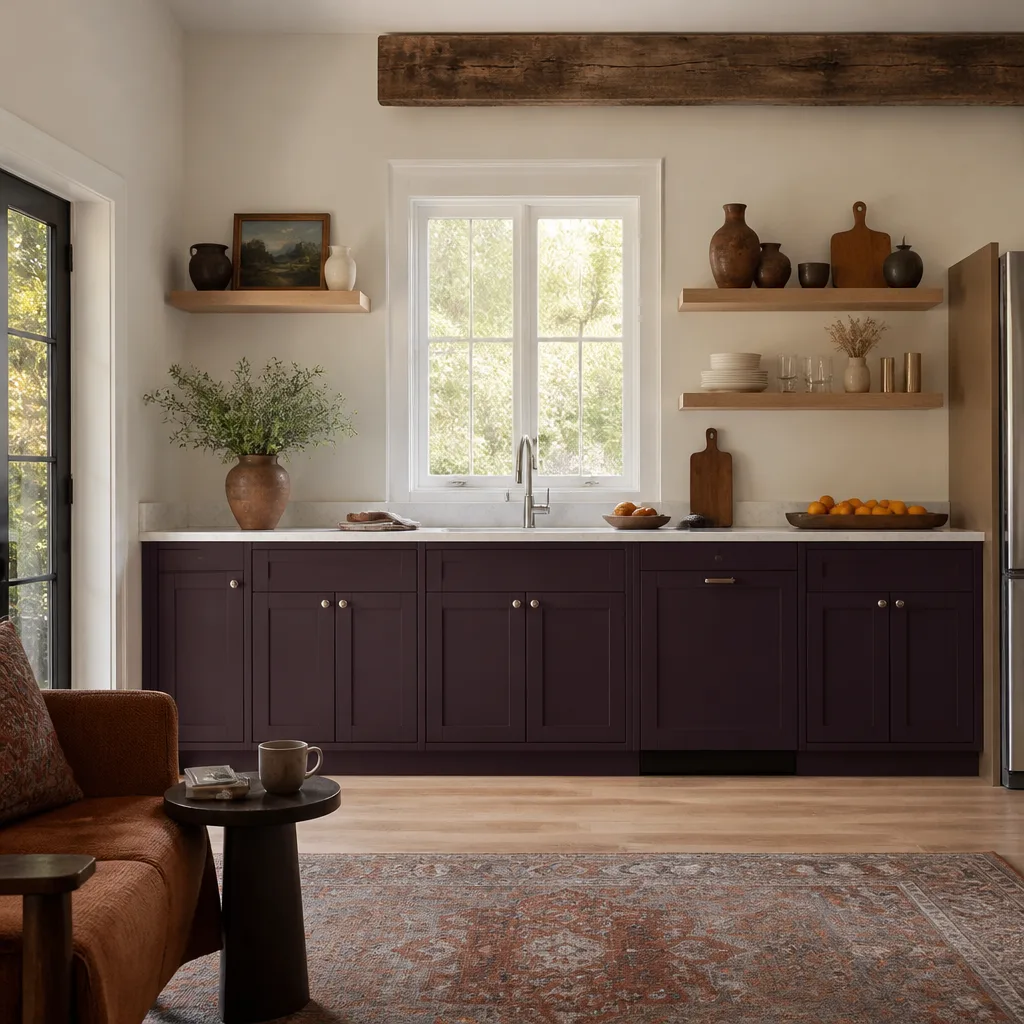
The James Hardie fiber cement board itself will last 30 to 50 years, but the caulked joints and trim often need re-work at the 12 to 15 year mark in Orange County’s sun and occasional heavy rain. The board rarely fails first. The trim and the flashing do.
Yes, we do partial replacements regularly on Orange County garage conversions, especially single panels or one corner. The challenge is color matching a ColorPlus finish that has faded over several years. If the match is too far off, we’ll tell you honestly and give you two numbers: the patch price and the full-wall price. Call (350) 203-6060 and we’ll come look at it.
Most full replacements on a garage conversion ADU take five to seven working days from first board off to final caulk and paint touch-up. Weather in Orange County rarely delays us, but material lead time can, especially if we’re ordering a specific ColorPlus color that isn’t stocked locally.
We stock the most common HardiePlank 6-1/4″ lap profiles, HardiePanel in smooth and stucco, and HardieTrim boards on our trucks. Less common colors and exposures are ordered per job, usually arriving in three to five business days through our Orange County pro dealers. For garage conversion ADU work, we also work with Abodu, Cover, and Dvele prefab systems, so if your ADU uses one of those brands with James Hardie cladding, we know what’s behind the wall before we open it.
Talk to Russ and the Lodgewick ADU Orange County Crew
Tell us what you’re seeing on your garage conversion ADU, and we’ll give you a straight answer and a written price. Call (350) 203-6060 for a free estimate. A live person answers, and we’ll schedule a time that works for you. Tell me what you need the space to do, and we’ll figure out the honest way to get there.
Written by Russ Delmar, Owner, Lodgewick ADU Orange County at Lodgewick ADU Orange County, serving Orange County and nearby areas.